
Why humanoid robots are the next big thing in AI
Among the most exciting frontiers of AI application is humanoid robotics
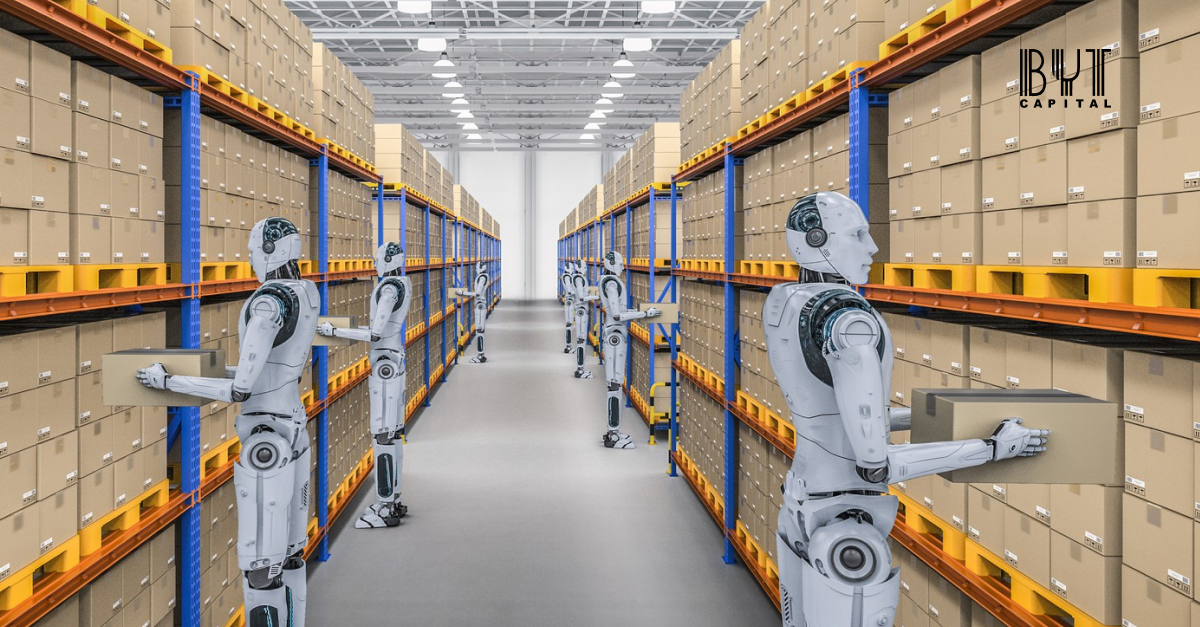
Among the most exciting frontiers of AI application is humanoid robotics, which involves machines designed to replicate human form and motion, enabling them to operate like humans in real-world environments.
Recent breakthroughs in mobility, dexterity and AI cognition have pushed humanoid robots from research labs into early deployments on factory floors and in warehouses, with pilots starting in other real-world environments. The shift marks a new phase where automation begins to mirror human adaptability rather than replace it mechanically.
Rapid Advancement in Humanoid Robotics
Humanoid robots are rapidly advancing in capabilities. Early prototypes and first-generation models can already tackle tasks that once required human labour, especially in warehouses and industrial settings, with early pilots in other domains.
Companies like NEURA Robotics are leading this shift with models such as 4NE1, which combines cognitive AI with advanced motion control to interact intelligently with its surroundings.
Four trends are driving this progress:
- Mobility and dexterity now approach human capability for specific tasks in controlled environments.
- AI training is faster and more efficient, thanks to simulation and better data.
- Hardware costs are trending down as components scale and supply chains mature, making each new generation cheaper to build and maintain.
- Generative AI is enhancing general-purpose intelligence and task transfer.
Leading industry analysts expect humanoid costs to fall sharply over the next decade. In some high-wage, high-volume settings, the effective cost per hour could begin to approach the minimum wage, which explains why large manufacturers and logistics players are now running serious pilots. This does not mean they are cheap today, but it explains why large manufacturers and logistics players are beginning serious pilots.
Unlike fixed robots, humanoids can operate in human spaces without costly redesigns, offering flexibility for industries facing labour shortages and aging workforces.
Market Potential and Investment Surge
The humanoid robotics market is projected to reach around US$30–50 billion by 2035, with some estimates pointing to a trillion-dollar ecosystem by 2050 when hardware, software and services are included.
Startup funding has risen sharply as investors bet on the convergence of AI, automation and robotics. To improve efficiency and reduce operating costs, startups are applying humanoid systems to logistics, healthcare and manufacturing.
Recent examples include Agility Robotics, which is piloting its Digit humanoid in warehouse operations with major logistics partners, and NEURA Robotics, which is working with industrial players to bring cognitive robots into real-world manufacturing environments.
India's AI Ecosystem and Global Trends
India is emerging as a hub for AI and robotics research, but humanoid robots are unlikely to see the fastest adoption here in the near term. High upfront hardware costs and relatively low labour costs mean the economics that work in high-wage markets do not translate directly to Indian factories and warehouses today.
What is more relevant for India in the short term is the capability-building side. Work in AI, controls, sensors and mechatronics, along with specialised robotics startups and university labs, is building the technical base that can feed into global humanoid platforms, industrial automation and adjacent applications such as cobots and inspection robots. In that sense, India’s opportunity may lie as much in designing, engineering and supplying components and software as in deploying large humanoid fleets domestically.
Globally, decreasing costs, better AI models and maturing supply chains are making humanoids more viable. As development cycles shorten and applications expand, these systems are expected to take on more physical tasks that are dull, dirty or dangerous, especially in high-income markets.
Challenges Ahead and Future Outlook
Despite rapid advances, mass deployment of humanoid robots remains a few years away due to technical complexities, regulatory standards and integration challenges. Continued investment in AI algorithms, sensor technology and energy-efficient hardware is crucial. Policy frameworks and industry standards must evolve to govern safe and ethical humanoid robot use.
However, the convergence of AI, robotics engineering, cloud technologies and venture capital funding is ushering in a new era where humanoid robots become crucial workforce partners in enhancing productivity, safety and economic resilience.
Conclusion
Humanoid robots represent the next seismic shift in AI-driven automation. With breakthroughs in dexterity, cognition and cost reduction, they stand ready to revolutionize how industries approach labor-intensive tasks.
India’s robust AI ecosystem is poised to contribute significantly to this innovation wave. As startups, corporations and investors align to navigate challenges and seize opportunities, humanoid robotics will soon transform workplaces worldwide.

Get a front-row seat to India’s deep-tech innovation
Receive the best of BYT’s analysis and updates, straight to your inbox