
How advanced tech is giving Indian manufacturing a much-needed reboot
India’s manufacturing sector is undergoing a technological transformation that promises to reconfigure the industry inside out.
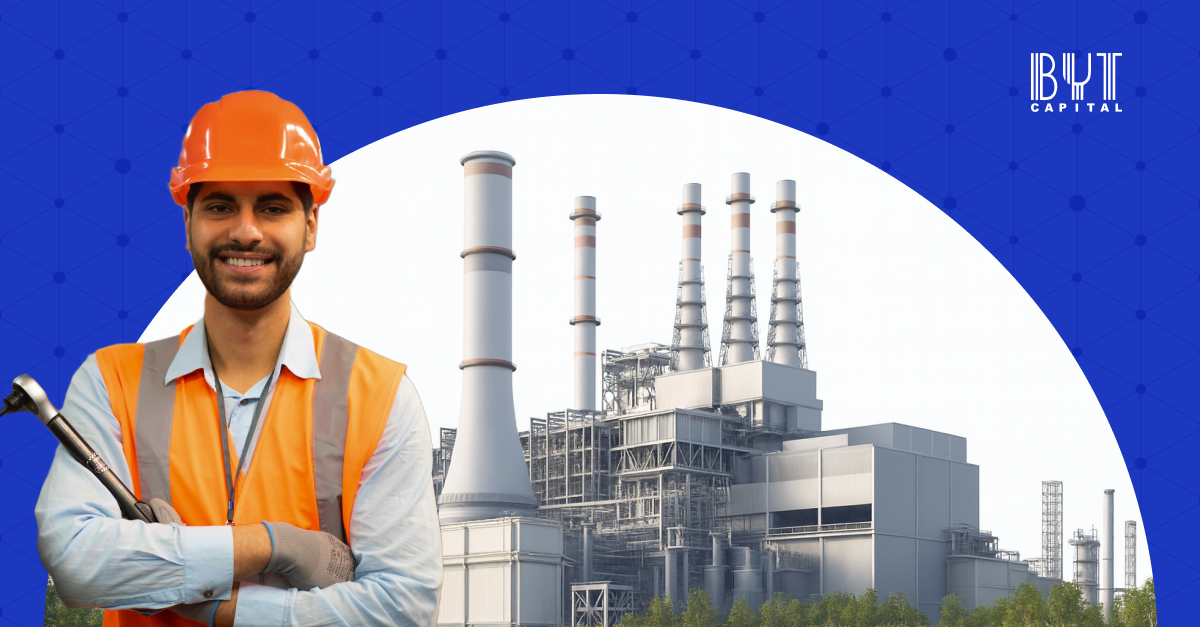
India’s manufacturing sector is undergoing a technological transformation that promises to reconfigure the industry inside out. This evolution is essential to meet global demand and sustainability goals as well as to cement India’s position as a global manufacturing hub for the 21st century.
The Current Landscape and Imperatives
Accounting for around 17% of India’s GDP, manufacturing has traditionally relied on labor-intensive processes and low-cost assembly. However, rising labor costs, changing consumer expectations, supply chain vulnerabilities and global competitiveness concerns necessitate embracing advanced technologies. The ‘Make in India’ initiative and government push for self-reliance (‘Atmanirbhar Bharat’) amplify the urgency for technological modernization.
The integration of advanced technologies can optimize processes, reduce waste and enhance product quality, fostering agile and resilient factories.
Government Initiatives Catalyzing Change
The Indian government has launched schemes to stimulate manufacturing and deep-tech adoption, including:
- Production Linked Incentive (PLI): Supporting domestic manufacturing scale-up, especially in electronics, pharmaceuticals and automotive sectors.
- Design Linked Incentive (DLI): Encouraging indigenous product and hardware design capabilities.
- India Semiconductor Mission (ISM): Facilitating semiconductor fabrication facilities to lessen import dependency.
- National Manufacturing Mission (NMM): A newer umbrella initiative aimed at boosting manufacturing competitiveness, skills and innovation across priority sectors.
With strategic investments in manufacturing clusters and Tier-2/Tier-3 innovation hubs, these programs create fertile ground for startups and established firms to evolve technologically.
Smart Factories and Industry 4.0
Industry 4.0 implementations are gaining pace across India’s manufacturing floors. Factories are deploying IoT sensors for real-time monitoring, AI-driven predictive maintenance systems to prevent downtime and robotic automation to accelerate repetitive or hazardous tasks.
This convergence improves operational efficiency, cost-effectiveness and product customization. Robotics adoption demonstrates growth with firms like Hyundai utilizing collaborative robots (cobots) alongside human workers, increasing precision and safety.
Startup Ecosystem Driving Innovation
India’s emerging startup ecosystem is accelerating this shift with homegrown innovations in automation, data analytics and material engineering.
Startups such as Fabheads bring micron-level assembly precision for aerospace and electronics, Sastra Robotics develops robotic systems for automated functional testing of physical devices and Qualitas Technologies pioneers AI-powered quality control solutions.
Funding flows have increased, with early-stage investments empowering startups to develop scalable manufacturing products and solutions.
Sectoral Transformations
- Electronics manufacturing has set a target of nearly $500 billion in electronics production by 2030, propelled by AI-driven assembly and quality processes.
- Automotive and electric vehicle manufacturing incorporate robotics and smart battery technologies supported by favorable EV policies.
- Pharmaceutical factories leverage IoT and smart labs for quality assurance and regulatory compliance.
- Textile production benefits from technologies like digital inkjet printing, biosensors and automated finishing techniques.
Challenges and Strategic Responses
India still faces challenges including a shortage of specialized talent in emerging technologies, complex regulatory requirements and capital-intensive infrastructure needs.
Multiple recent reports highlight a significant skills gap for Industry 4.0 roles in India, and many manufacturers say shortages of trained workers are already hurting productivity and increasing operating costs.
Addressing these requires:
- Skill development initiatives aligned with Industry 4.0 competencies.
- Regulatory reforms to ease compliance for advanced manufacturing.
- Innovative funding approaches blending grants, venture capital and public-private partnerships.
The government collaborates with academia and industry to build innovation sandboxes and upskill workforces to sustain the momentum.
Future Outlook and Impact
If this manufacturing reboot sustains, it has the potential to create millions of skilled jobs, enhance India’s export value chains and reduce import dependencies. If current reforms and investments land well, manufacturing could reach about 25% of GDP by 2035.
The synergy of policy support, startup innovation, corporate adoption and international collaboration will propel India to the forefront of global advanced manufacturing - driving economic resilience, technological leadership and inclusive growth for decades to come.

Get a front-row seat to India’s deep-tech innovation
Receive the best of BYT’s analysis and updates, straight to your inbox